
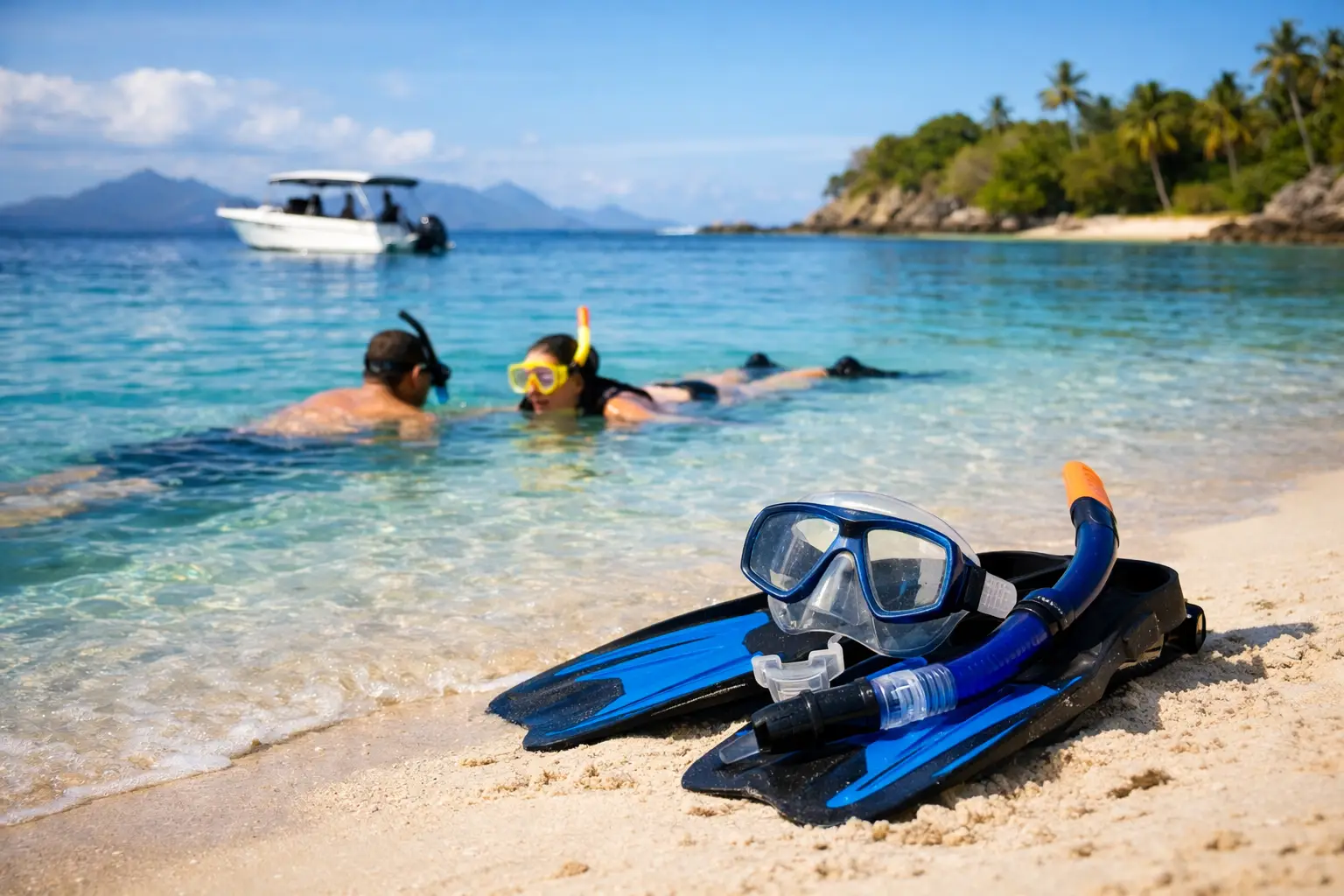
A Fiji snorkeling shore excursion can turn a single port day into the moment you remember most from your cruise: warm, clear water, bright reef fish moving through coral gardens, and the easy welcome of a Fijian crew who knows the coast. Yet the best experience is not simply about finding a pretty patch of water. It depends on choosing an excursion that respects your ship’s schedule, matches your confidence in the ocean, and gives you enough time to enjoy the reef without rushing.
For cruise guests, that coordination matters. A port call has a firm beginning and end, while reaching a quality snorkeling site may involve a scenic drive, a boat transfer, equipment fitting, safety briefing, and time ashore. A well-managed outing brings those pieces together so the day feels relaxed from the pier to the water and back again.
What Makes Fiji Special for Snorkeling
Fiji sits within the South Pacific’s coral-rich waters, with reef systems ranging from sheltered fringing reefs near islands and beaches to offshore sites reached by boat. Conditions vary by island, season, tide, wind, and recent weather, which is why local guidance is more valuable than a generic promise of “the best snorkeling.”
On a good day, snorkelers may see schools of reef fish, parrotfish, butterflyfish, clams, sea stars, and coral formations in shades that become more vivid as sunlight shifts across the water. The experience is often as peaceful as it is colorful. Float above the reef, listen to the soft sound of your breathing through the snorkel, and look down into a living environment that rewards patience.
Fiji’s appeal also lies in what surrounds the water. Many shore programs combine snorkeling with an island visit, beach time, a tropical lunch, or a cultural welcome. This gives non-snorkeling companions something meaningful to enjoy while allowing the group to share the day together.
Choosing the Right Fiji Snorkeling Shore Excursion
Not every snorkeling outing suits every cruise passenger. Before booking, consider the practical shape of the day rather than focusing only on underwater photos. Ask how long the transfer takes, whether the site is reached from a beach or boat, how much time is actually spent in the water, and what happens if sea conditions change.
A shore excursion designed around a ship call should have clear timing, organized meeting arrangements, and a return plan that accounts for traffic and marine transfers. Local operators who manage cruise logistics understand that guests need more than a memorable activity. They need the reassurance of a properly planned return to the vessel.
Beach Entry or Boat Snorkeling?
Beach-entry snorkeling can be a comfortable choice for first-time snorkelers, families with children, and guests who prefer to remain close to shore. You can usually enter gradually, take breaks easily, and spend time on the beach between swims. The trade-off is that reef quality can depend heavily on tide, visibility, and the beach’s location.
Boat snorkeling may reach more remote reefs and offer a stronger sense of being out on Fiji’s open water. It can be ideal for confident swimmers and guests who want broader reef scenery. However, boat transfers add time to the itinerary and may not suit those prone to motion sickness or travelers with limited mobility. A professional crew should explain the boat conditions, access steps, flotation options, and water depth before departure.
Choose for Your Comfort Level, Not Just Your Ambition
You do not need to be an expert swimmer to enjoy snorkeling, but you should be honest about your comfort in the water. A reputable excursion provides a briefing, properly sized mask and fins, and flotation support when appropriate. Guides should be visible in the water and attentive to guests who need extra reassurance.
If you are new to snorkeling, look for a sheltered site and a program that allows an unhurried introduction. Practice breathing through the snorkel in shallow water, keep your face down while floating calmly, and avoid standing on coral if you need to adjust your gear. Even experienced snorkelers benefit from this approach, especially after a long journey or on a warm day.
Families should also check age guidance, supervision arrangements, and whether child-sized equipment is available. Multigenerational groups may prefer an island-based program where some guests snorkel while others enjoy shade, swimming, cultural activities, or a beachside meal.
The Details That Protect Your Port Day
The most enjoyable excursions often feel effortless because the operational details have been handled well in advance. Transportation should be organized from the cruise terminal, with clear meeting instructions and guides who can keep groups moving at the right pace. For larger vessels, this requires experienced ground handling, reliable vehicles, trained local teams, and communication between the pier, tour staff, and marine operators.
It is also wise to confirm what is included. Most organized snorkeling experiences provide masks, snorkels, fins, and safety equipment, but guests should bring a swimsuit, towel, reef-safe sun protection, a hat, and dry clothing for the return journey. A reusable water bottle is useful, particularly on sunny beach days. If you wear prescription glasses, ask ahead about mask options or consider bringing prescription snorkel lenses if you use them regularly.
Weather is another factor worth understanding. Tropical conditions can change, and the right operator will adjust the plan when wind, swell, rain, or visibility makes an intended site unsuitable. A change of location is not necessarily a disappointment. It is often the sign of a crew making a responsible decision based on the conditions that day.
Reef Respect Is Part of the Experience
Fiji’s reefs are remarkable because they are alive, fragile, and closely connected to coastal communities. The small choices each guest makes help protect them. Keep a comfortable distance from coral, do not touch marine animals, and never feed fish. Fins can easily damage shallow coral, so use slow, controlled movements and keep your body horizontal in the water.
Sun protection deserves thought, too. Covering up with a rash guard, long-sleeve swim shirt, or hat reduces the amount of product that enters the water while also protecting your skin from the strong Fijian sun. When sunscreen is needed, choose one intended to minimize harm to marine environments and apply it well before entering the sea.
A good guide does more than point out fish. They help guests understand why the reef matters, how local people relate to the ocean, and how to enjoy it with care. That perspective turns a pleasant swim into a more respectful encounter with Fiji.
Build a Day That Feels Like Fiji
The strongest shore experiences leave room for both adventure and connection. After snorkeling, a beach lunch, a chance to meet local hosts, or time to enjoy an island setting can make the day feel complete. These moments matter particularly for guests visiting Fiji for the first time, because the destination is more than its turquoise water. It is the warmth of its people, the rhythm of island life, and the sense that you have been genuinely welcomed.
For travelers who want a coordinated experience from ship to shore, Rosie Fiji Cruises brings together local guides, transport planning, marine experiences, and cruise-port support through a long-established Fiji network. That depth of local operation is particularly helpful when guests have limited time, varied mobility needs, or a group with different interests.
Questions to Ask Before You Go
A few well-chosen questions can make booking easier. Confirm the total tour duration and expected return time, the transfer method, the likely water depth, and whether flotation devices are available. Ask whether the excursion is suitable for beginners, whether there are restrooms and changing facilities, and what alternative plan is used if conditions are unfavorable.
Guests with medical concerns, mobility limitations, or worries about motion sickness should raise them before the day of travel. The best fit may be a calm beach setting, a shorter boat transfer, or an itinerary that offers a rewarding island experience without requiring extended time in the water.
Come with curiosity, listen to the local crew, and let the reef set the pace. A thoughtfully chosen Fiji snorkeling shore excursion offers more than a few hours of swimming. It gives you a genuine, carefully hosted glimpse of the ocean that shapes island life.