
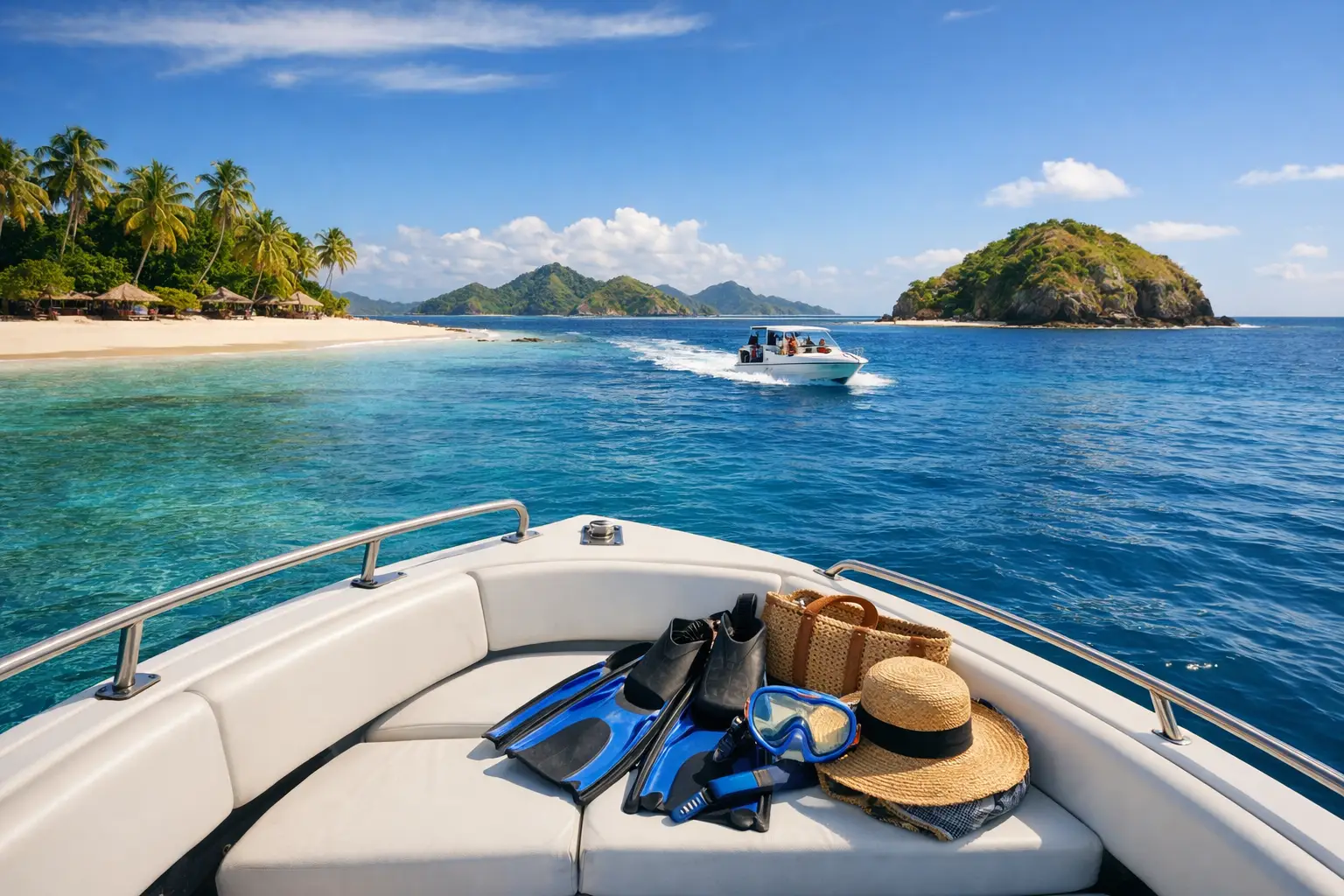
A Fiji island hopping day trip is one of the most rewarding ways to spend limited time ashore: leave the port behind, cross clear Pacific water, and arrive at an island where the pace changes almost immediately. The best day is not measured by how many islands you can check off. It is built around a realistic sailing schedule, a comfortable vessel, time to swim or explore, and the certainty that you will return to your ship without worry.
For cruise guests, that balance matters. Fiji’s islands are beautifully spread across a wide seascape, and an itinerary that looks simple on a map can involve road transfers, marina timing, changing sea conditions, and strict all-aboard times. A well-managed shore experience turns those moving parts into a relaxed day of warm welcomes, reef views, and genuine Fijian hospitality.
What Makes a Fiji Island Hopping Day Trip Worth It
The Mamanuca Islands, west of Viti Levu, are often the natural choice for a full-day island experience from the Nadi, Denarau, or Lautoka area. These islands are known for white-sand beaches, vivid lagoons, and easy access by boat. Depending on the departure point and the day’s plan, guests may visit an island resort, cruise past a string of small islets, stop for snorkeling, or enjoy a beach lunch before returning to the mainland.
A meaningful island day should leave room to enjoy Fiji rather than rush through it. One well-chosen island with time for swimming, snorkeling, a cultural activity, and lunch can be more memorable than several short stops. Families may value sheltered water, easy beach access, and facilities close at hand. Couples may prefer a quieter setting and time away from the larger groups. Multigenerational parties often benefit from an itinerary that gives confident swimmers, casual beachgoers, and guests with limited mobility satisfying options in the same place.
It also depends on where your ship is docked. Guests arriving at ports farther from Denarau may have different practical options than those tendering or docking near the western coast. The right excursion begins with your actual port schedule, not a generic island brochure.
Start With Your Ship’s Time Ashore
Cruise calls run on precise timing. Before selecting an island tour, confirm your ship’s arrival, the time guests can realistically disembark, and the all-aboard deadline. Tender operations can add time at both ends of the day, while port traffic and weather can affect road and boat movements.
A responsible Fiji island hopping day trip should include a clear meeting point, coordinated transportation between port and marina where required, confirmed boat departure times, and an appropriate buffer before the ship’s final boarding time. This is especially important for independent travelers, who may be unfamiliar with local distances and the distinction between a boat’s advertised duration and the total excursion time from pier to pier.
For cruise lines and travel advisors, the same principle applies at scale. A strong local operator plans coach capacity, guide ratios, vessel manifests, pier movements, refreshments, and contingency arrangements well before the vessel arrives. The guest sees a welcoming guide and an organized departure. Behind that simple experience is careful destination management.
Choose the Right Pace, Not the Longest Itinerary
An island-hopping trip can mean different things. Some travelers picture a high-energy day with snorkeling stops and multiple islands in view. Others want one beautiful beach, a cold drink, and a long swim. Neither approach is better, but they require different planning.
If your port call is short, prioritize a nearby island experience over a long transfer. If you have a full day ashore, a combination of scenic cruising and a relaxed island stop can offer a fuller view of the Mamanucas. Build in time for boarding, safety briefings, getting in and out of the water, lunch service, and the return journey. The itinerary should still feel generous even if the sea becomes choppy or the schedule shifts slightly.
Select Experiences That Match Your Group
Fiji is more than its postcard views, although those views are extraordinary. The most satisfying day trips pair the water with a sense of place. A beach stop may include a Fijian welcome, local music, a traditional meal, or the chance to learn about island life from the people who know it best.
Snorkeling is a popular choice, particularly for guests hoping to see tropical fish and coral gardens without committing to a full diving program. Conditions vary by reef, tide, wind, and recent weather, so it is wise to choose an operator that assesses the day’s conditions rather than promising the same underwater experience every day. Guests who are new to snorkeling should have flotation equipment, clear instructions, and crew supervision.
For travelers who prefer to stay dry, a scenic cruise, glass-bottom viewing where available, beach relaxation, or a gentle island walk can be equally rewarding. A good program does not treat non-swimmers as an afterthought. It provides shade, seating, restrooms, refreshments, and an enjoyable cultural dimension for everyone.
Consider Mobility, Ages, and Comfort Levels Early
Island days often involve steps, gangways, uneven sand, getting on and off a boat, and occasional wet landings. Share mobility needs when booking, including the use of canes, walkers, or wheelchairs. The right team can advise whether a particular vessel or island facility is suitable and recommend an alternative when it is not.
Parents should ask about life jackets, shaded areas, meal options, and the distance between the arrival point and beach facilities. Older travelers may appreciate a calmer vessel, assistance at embarkation, and less time in direct sun. These details do not reduce the adventure. They help every guest enjoy it with confidence.
Pack Lightly and Prepare for the Water
Fiji’s tropical climate means sun protection is essential, even on a cloudy day. Wear light clothing over swimwear, bring a hat and sunglasses, and apply reef-conscious sunscreen before departure. A reusable water bottle, towel, dry bag, and a change of clothes for the trip back are useful additions.
Use reef-safe habits in the water. Avoid standing on coral, never feed marine life, and keep a comfortable distance from fish and other sea creatures. Coral reefs are living environments, and careful behavior helps protect them for the communities and visitors who depend on them.
Cash can be helpful for personal purchases or gratuities, though payment arrangements differ by experience. Bring only what you need and secure valuables before boarding. Most importantly, listen to the crew. Their guidance on weather, currents, boarding procedures, and safe swimming areas comes from daily knowledge of these waters.
Let Fiji’s Culture Be Part of the Day
A visit to Fiji is warmer when guests meet it with curiosity and respect. Fijian hospitality is generous, and a simple “Bula” is always a welcome greeting. If your day includes a village visit, cultural performance, or traditional ceremony, follow your guide’s advice on dress, photography, footwear, and appropriate behavior.
The value of an island excursion often lies in these exchanges as much as in the scenery. A song performed on the beach, a story shared by a local guide, or a meal prepared with island ingredients can add lasting context to a day of swimming and sunshine. Fiji is a collection of living communities, not simply a backdrop for vacation photographs.
Why Coordinated Local Support Matters
For cruise guests, dependable logistics create the freedom to enjoy the islands. Rosie Fiji Cruises brings together port-side coordination, transport, experienced guides, marine experiences, and on-the-ground support so visitors can focus on their time in Fiji. For groups and cruise partners, this coordination is equally valuable when managing varying mobility needs, multilingual guests, dietary requests, and large passenger numbers.
Local knowledge also helps when plans need to adapt. A change in wind direction may favor a different snorkeling location. A delayed arrival may call for a revised transfer sequence. The goal is not to force the original plan at any cost, but to protect guest comfort, safety, and the quality of the experience.
When you step from the boat onto a Fijian island, give yourself permission to slow down. Swim in the lagoon, take in the ridgelines beyond the beach, accept the welcome offered to you, and leave enough time to return to your ship with the day still feeling unhurried.