
Where Fiji’s Past Speaks
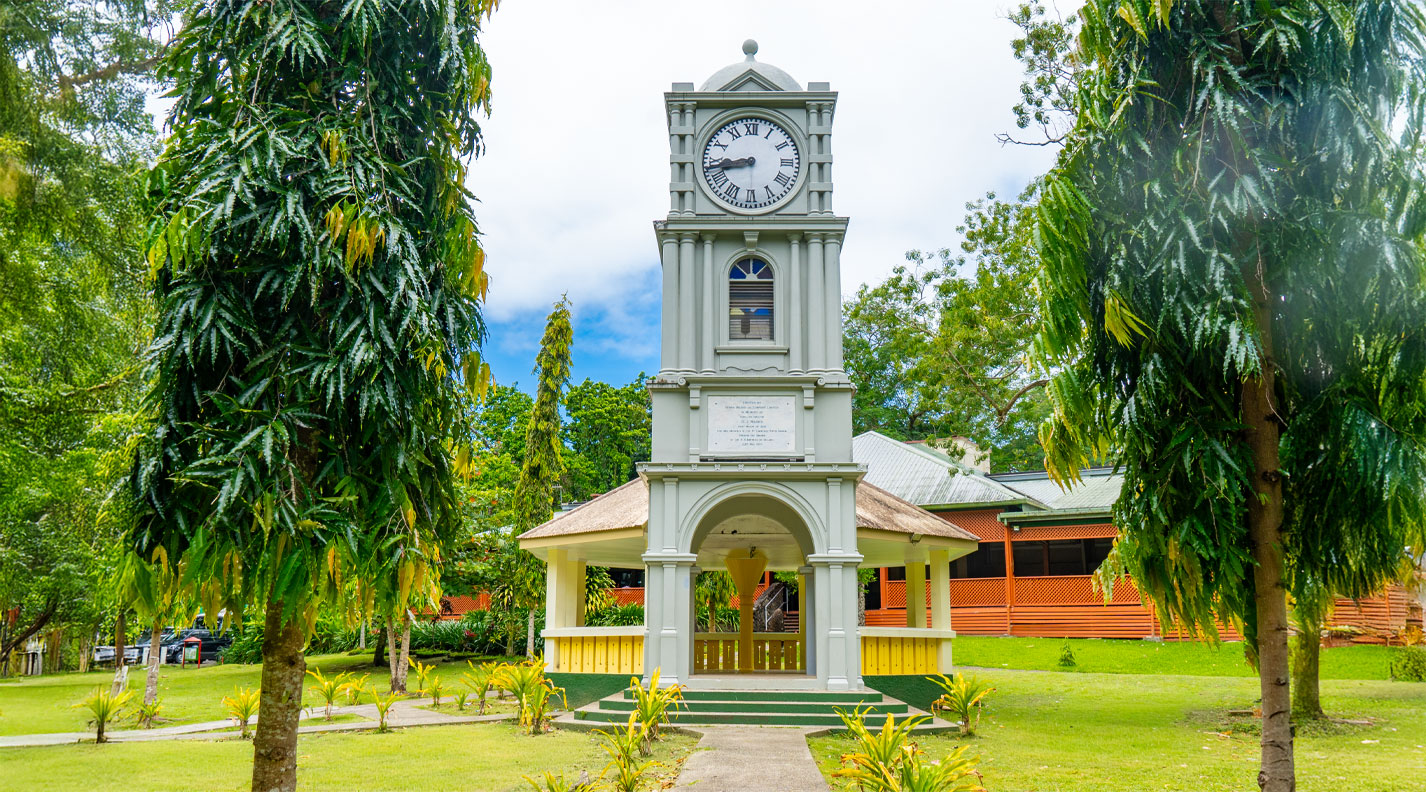
Stroll through the shaded paths of Thurston Gardens in Suva and you’ll find a building whose quiet serenity hides a powerful legacy—this is the Fiji Museum, a guardian of more than 3,700 years of Fijian history. Its story begins in 1904, when Sir William Allardyce gifted his collection of Fijian treasures to the Suva Town Board, laying the foundation for what would grow into the nation's principal cultural archive.
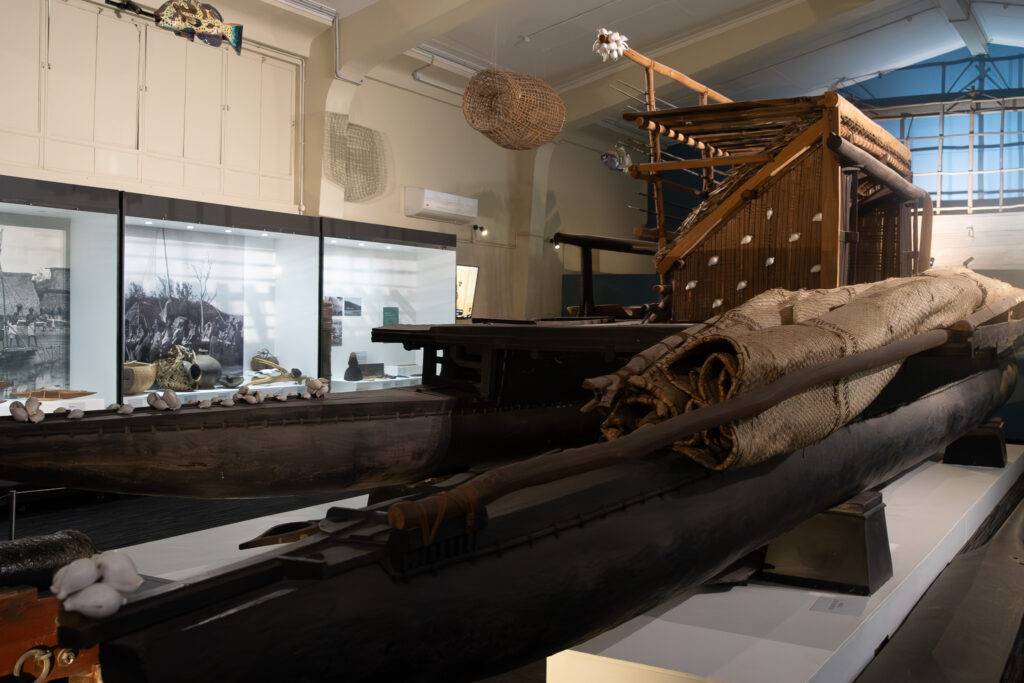
Walking into the museum today, you’ll immediately see why it’s so unforgettable. In the first gallery—almost like stepping into a voyager’s tale—rests the majestic Ratu Finau, a 13-metre-long double-hulled canoe, the last drua ever made in 1913. It’s a testament to Fiji’s remarkable maritime heritage.
Nearby, the rudder of HMS Bounty, a relic connected to one of the Pacific’s most famous maritime adventures, sits stiff with history and myth. Deeper inside, stories turn darker as displays reveal artefacts related to Fiji’s warrior culture and cannibalism—war clubs and even the sole of Thomas Baker’s sandal, the tragic missionary who was eaten in 1867, carefully preserved to confront this profound chapter of Fiji’s past.
Another hall brings you into the story of Indo-Fijian heritage: the indentured laborers who arrived in the late 19th and early 20th centuries. Traditional garments, utensils, and artifacts of devotion offer a tangible connection to their journeys, struggles, and enduring cultural contributions.
Beyond the artifacts, the museum is alive with purpose. It’s not just a display—it’s a center of research, education, and cultural preservation. Through archaeological digs, oral history collection, rotating exhibitions, workshops, and vibrant open-day events featuring dance, poetry, and craft demonstrations, the museum shares Fiji’s story in ways that engage both mind and heart.
From a Tour Guide's Perspective
By: Francis Fuata

Bula vinaka and welcome to the Fiji Museum!
This is where Fiji’s story comes alive, from the earliest Lapita settlers to the cultural mix that shapes our islands today. As we walk through, you’ll see how the museum preserves history, showcases traditions, and connects the past to the present. It’s not just about what’s behind the glass—it’s about understanding the people, journeys, and events that built the Fiji we know today. By the end of this visit, you’ll leave with a deeper sense of how our islands’ heritage continues to guide our future.