Before roads traced the land and ships crossed the horizon, the ocean was Fiji’s highway. At dawn, villages stirred as elders offered quiet blessings and craftsmen checked the lashings of their canoe. Carved from towering trees and bound with coconut sennit, each vessel waited patiently at the shoreline. When the sail caught the first breath of wind, it carried more than people — it carried survival, trade, warfare, and identity.
For thousands of years, Fijian seafarers ruled the Pacific, navigating by stars, tides, winds and lunar cycles. Their knowledge of the ocean was so advanced that their vessels were among the finest ever designed in Oceania.
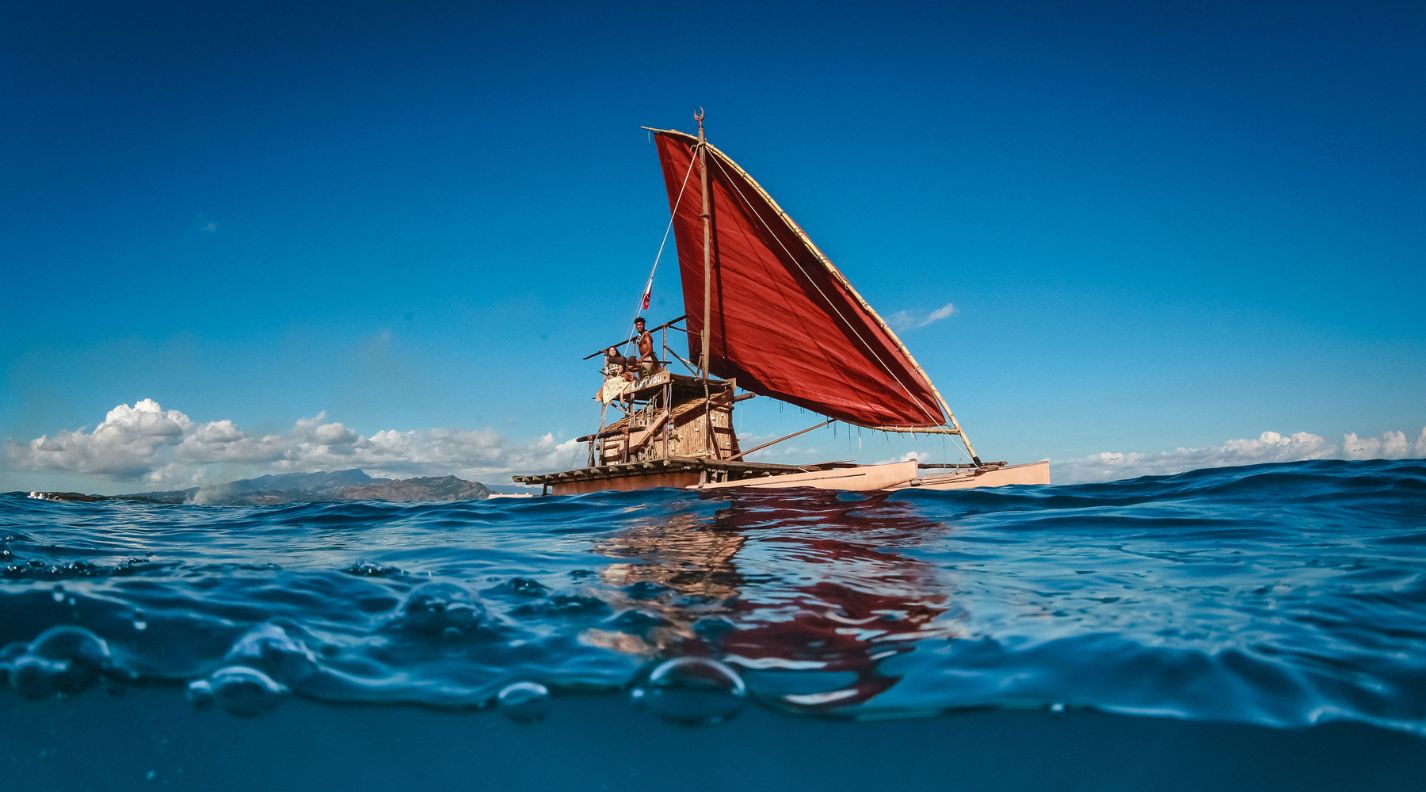
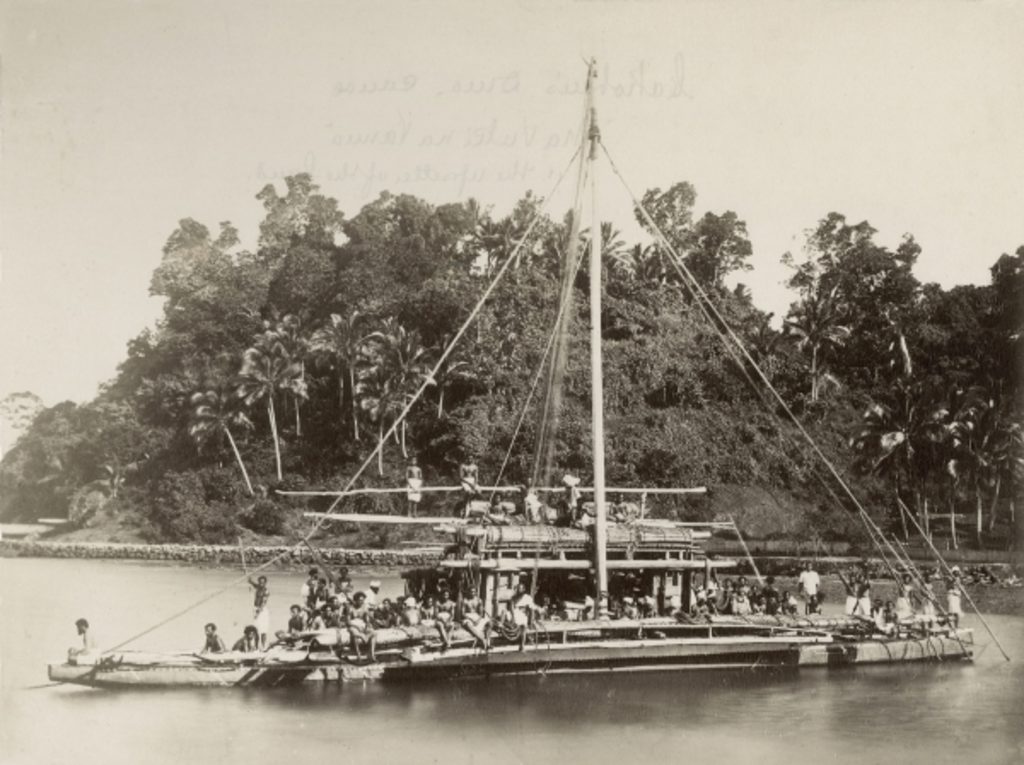
The most powerful of all was the mighty drua — a double-hulled canoe built for speed, distance, and prestige. Some exceeded 30 metres and could carry over 250 people, travelling vast ocean distances at remarkable speeds. Chiefs, warriors and traders depended on them, and entire fleets once controlled trade routes across the islands.
Smaller camakau canoes worked the reefs and lagoons, supporting daily village life, while great armadas of war canoes enforced the influence of maritime kingdoms like Bau, Rewa and Lau. Every canoe had a purpose — transport, fishing, ceremony, and survival.
A doubled-hulled canoe with passengers on board. Picture:FORUMS.SAILING ARNACHY.COM
The remains of one of Fiji’s last great ocean-going canoes — Ratu Finau — rests at the Fiji Museum. Built in 1913 in Fulaga and once raced in Suva Harbour, it now stands as a physical reminder of Fiji’s proud maritime heritage.
While modern boats now cross these waters, the spirit of traditional voyaging continues. Guests wanting to experience this heritage beyond the shoreline can explore tailor-made expedition itineraries with Uto Ni Yalo Trust — journeys to remote islands inspired by the same ocean pathways once sailed by the drua.
To witness a Fijian canoe is to witness heritage in motion — the rhythm of paddles, the creak of timber, and the enduring bond between people and the sea. It is not just history on display… it is a story still sailing.
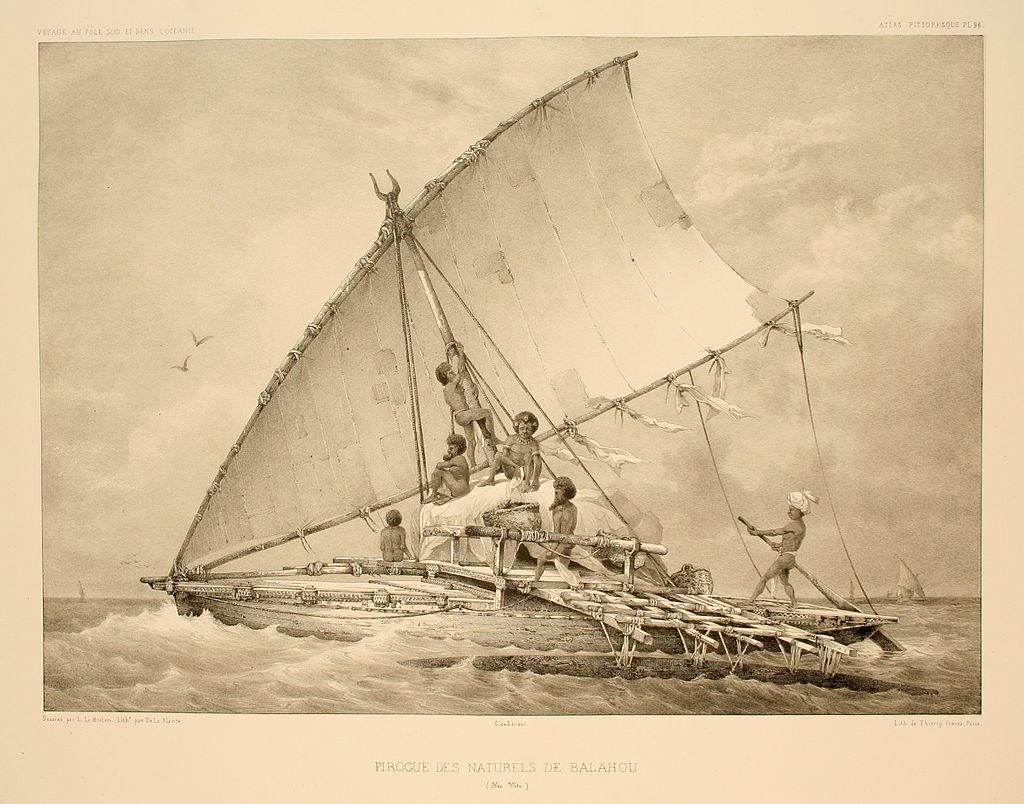
The most powerful of all was the mighty drua — a double-hulled canoe built for speed, distance, and prestige. Some exceeded 30 metres and could carry over 250 people, travelling vast ocean distances at remarkable speeds. Chiefs, warriors and traders depended on them, and entire fleets once controlled trade routes across the islands.
A drawing of an indigenous Fijian sailing canoe. Picture:EN.WIKIPEDIA.ORG
From a Tour Guide's Perspective
By: Josaia Dalituicama
“Fijians were master navigators. Sailors didn’t look for land — they felt it. They read wave patterns, bird flight paths, cloud reflections, and even the colour of the ocean. Long before Europeans arrived, people were already travelling hundreds of kilometres across open Pacific waters safely.”
“Imagine leaving one island knowing the next landfall was over the horizon — and still arriving exactly where you planned.”