
Kava Tasting on Every Village Shore Excursion
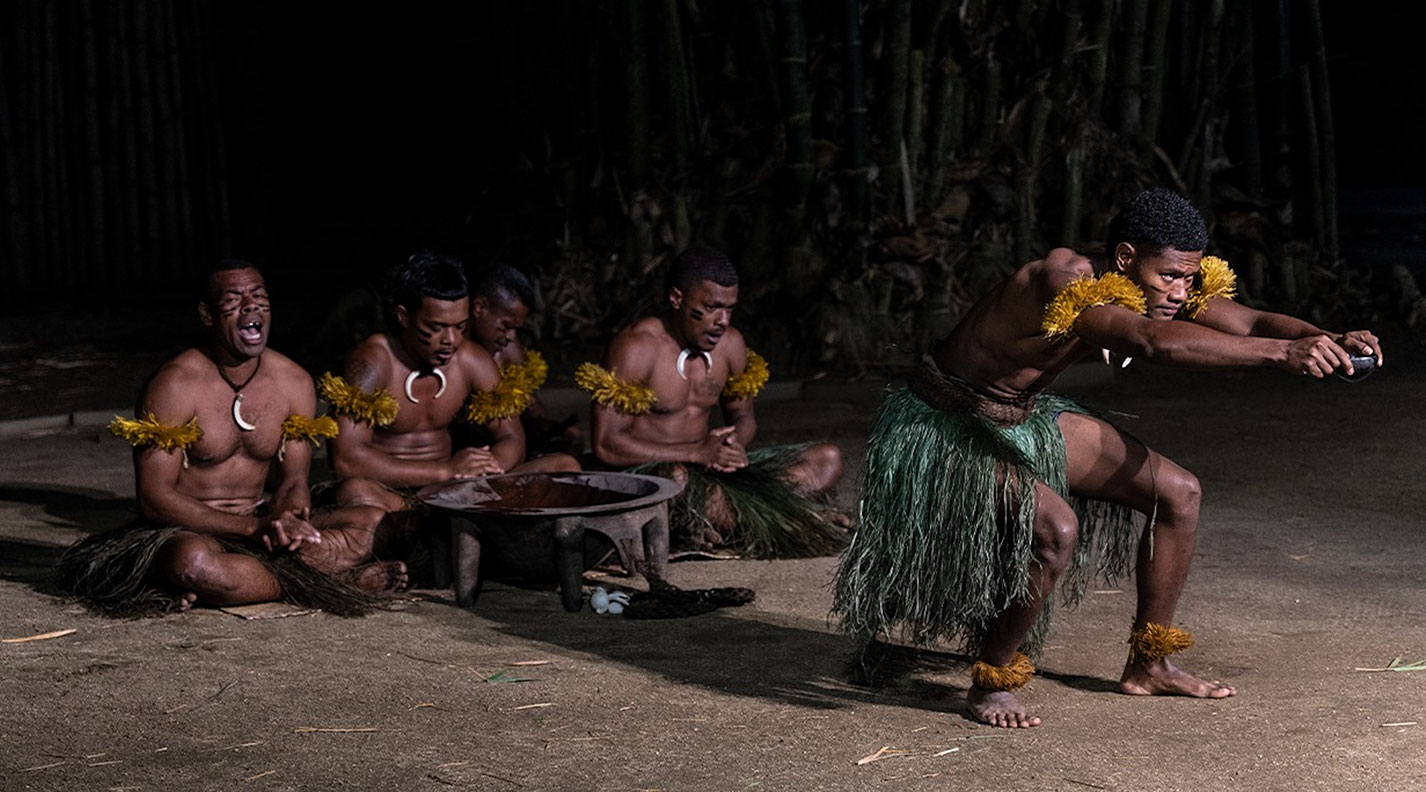
In every Fijian village we visit on our shore excursions, there is one moment that brings everyone together—the kava ceremony. Known locally as "yaqona", kava is more than just a drink; it is the essence of Fijian hospitality, tradition, and unity.
As you sit cross-legged on the woven mat, the air filled with the earthy scent of the root, you become part of a ritual that has been practiced for centuries. The sevusevu—a ceremonial welcome—marks your respectful entry into the village. Then, the kava bowl is brought forward, carved from hardwood and filled with the muddy-looking liquid that carries the stories of generations.
The tanoa (kava bowl) sits at the center, and the turaga ni koro (village chief or spokesperson) leads the ceremony. As the kava is mixed and served in a coconut shell cup called a bilo, you’ll hear the rhythmic clapping—“taki!”—inviting you to drink. One clap before, one after. It’s a simple gesture, but it speaks volumes: respect, acceptance, and shared experience.
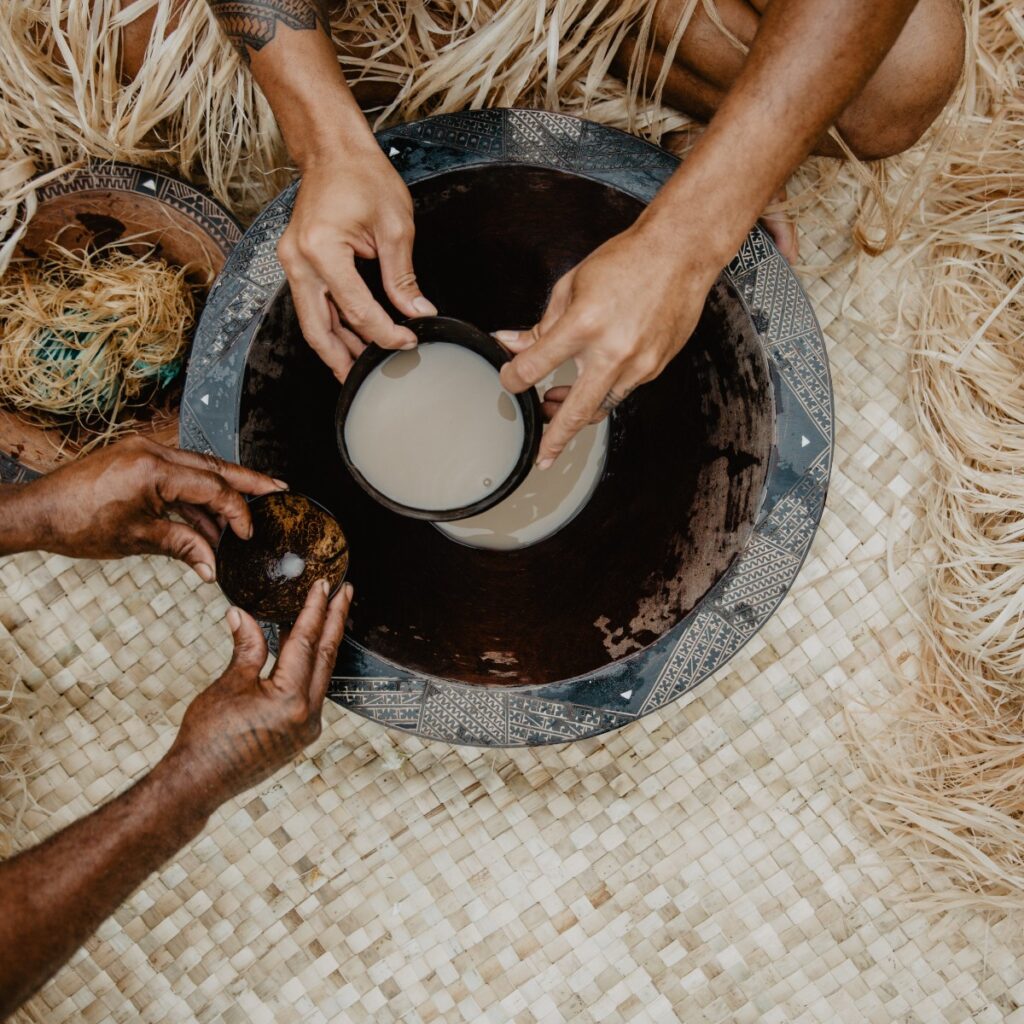
Kava is known for its calming effects, but its true power lies in its ability to connect. It brings villagers and visitors together in a moment of peace, storytelling, and laughter. Whether you're in the highlands of Sabeto, the coastal charm of Viseisei, or deep in the Colo trails, this ceremony is a constant—an invitation to slow down and feel the heartbeat of Fiji.
So when you raise your bilo, know that you’re not just tasting a drink—you’re tasting tradition, community, and the spirit of the islands.
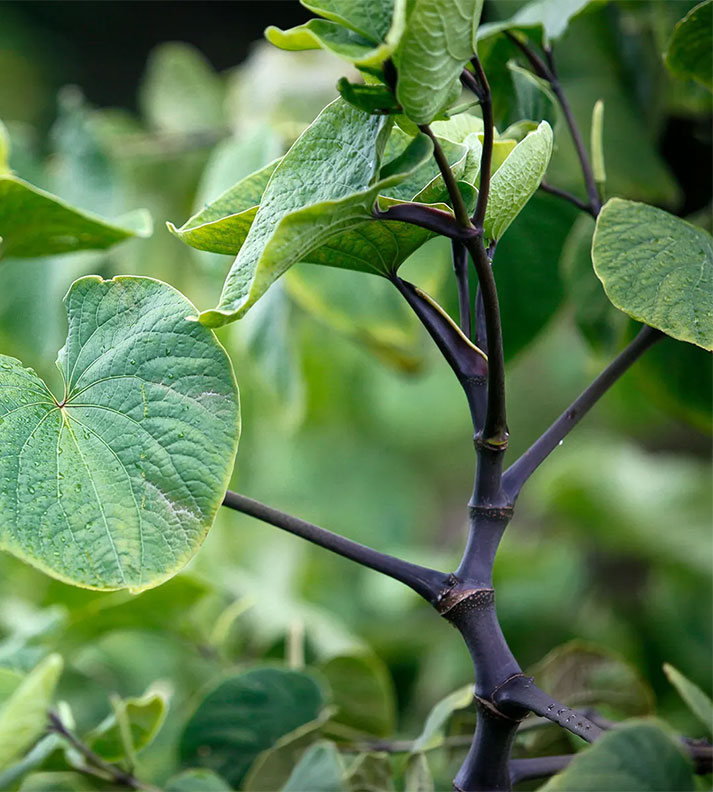
The kava plant, scientifically known as Piper methysticum, is a tropical shrub native to the South Pacific, especially Fiji. It belongs to the pepper family and grows best in warm, humid climates with rich, well-drained soil. The most important part of the plant is its root, which is harvested, dried, and ground into a powder to prepare the traditional kava drink. The root contains compounds called kavalactones, which are responsible for kava’s calming and mildly sedative effects. Kava plants typically take 3 to 5 years to mature, and the older the plant, the stronger and more potent the root. Unlike many crops, kava is not grown from seeds but from cuttings of mature stems, making it a plant that is carefully cultivated and passed down through generations. In Fijian culture, the kava plant is deeply respected—not just for its ceremonial use, but also as a symbol of peace, connection, and tradition.
From a Tour Guide's Perspective
By: Kaminieli Tuiwasa
The kava ceremony is one of the most meaningful moments you’ll experience on a Fijian village tour. It’s not just a welcome drink — it’s a sacred ritual that symbolizes respect, unity, and the beginning of friendship.
Before entering the village, guests take part in the sevusevu, where yaqona (kava root) is presented to the chief as a gesture of goodwill. When the kava is prepared and shared, it marks acceptance — you are no longer just a visitor, but an honored guest welcomed into the community.