
The Fibre That Held Fiji Together
Magimagi is one of the most important traditional materials in Fijian history, representing ingenuity, sustainability, and deep respect for nature. Long before the introduction of nails, bolts, or modern construction techniques, Fijians relied on magimagi — strong cordage made from coconut husk fibre — to build, bind, and secure their world.
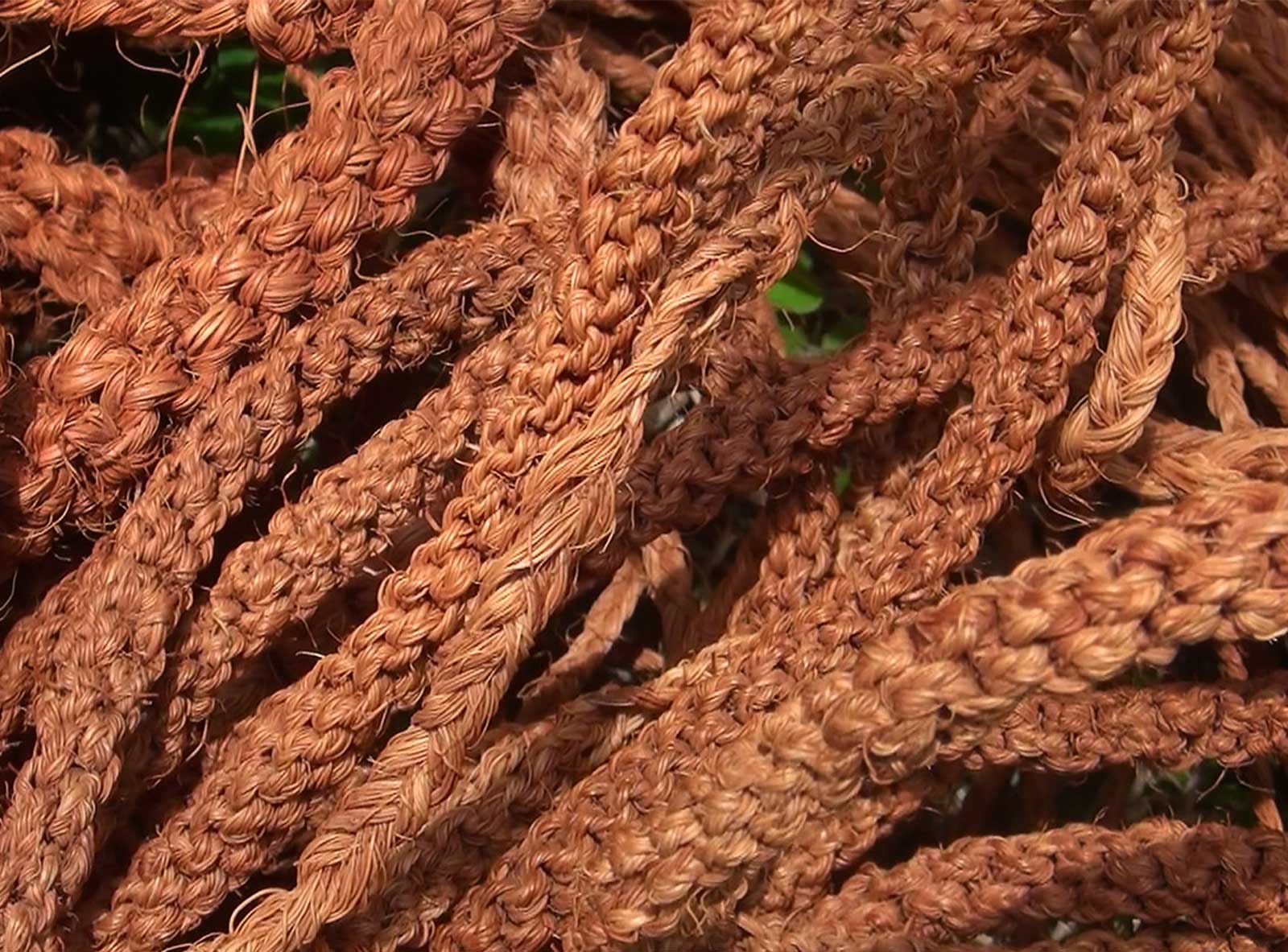
The raw material comes from the coconut, a tree often described as the tree of life in the Pacific. Mature coconut husks are soaked in water to soften the fibres, then beaten and separated by hand. These fibres are twisted into strands and tightly plaited to create magimagi cord. The process is physically demanding and requires experience, rhythm, and precision to achieve the correct tension and strength.
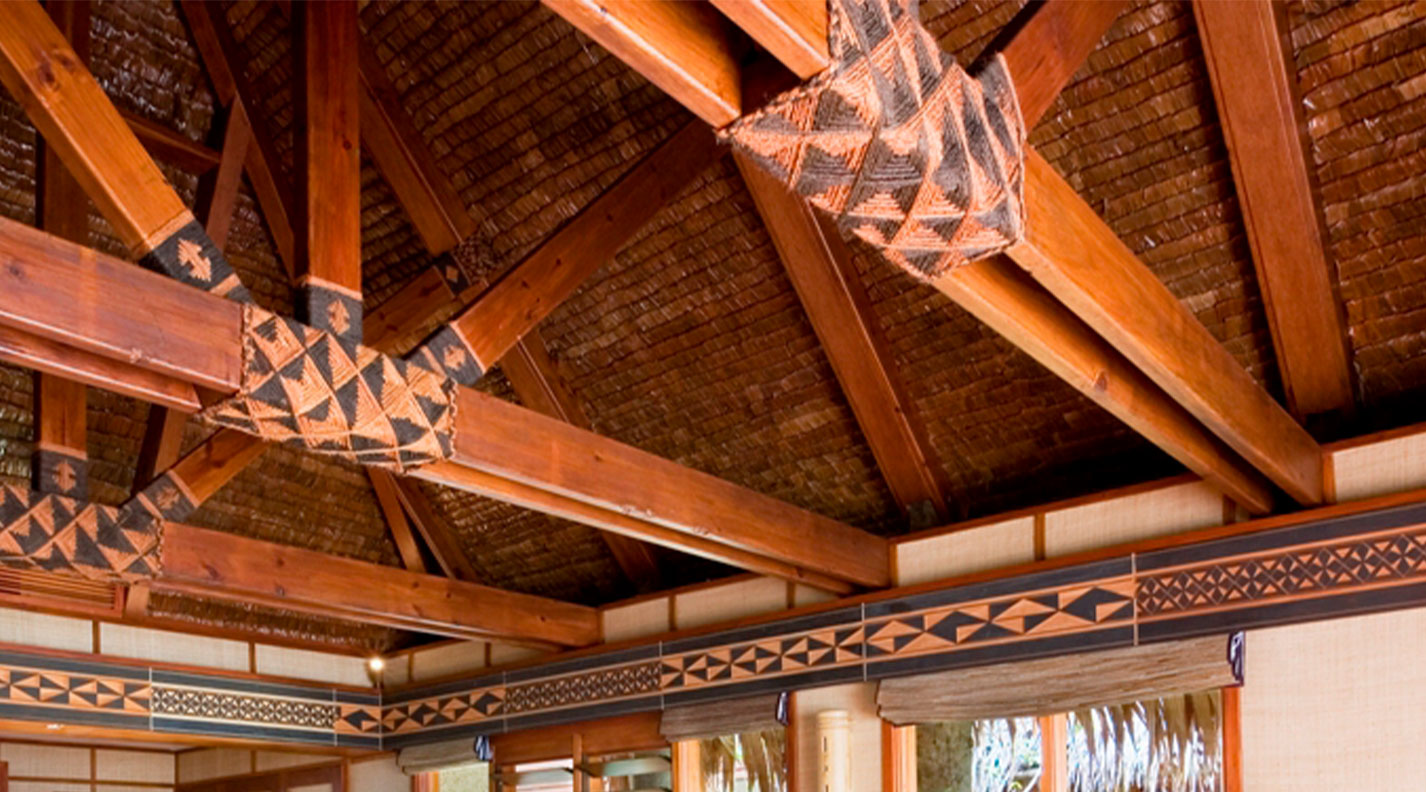
In ancient Fiji, magimagi was used extensively in construction. Traditional bure (houses), chiefly meeting halls, raised platforms, and ceremonial structures were all held together using intricate magimagi lashings — without a single nail. This lashing technique allowed buildings to remain flexible rather than rigid, enabling them to withstand strong winds, earthquakes, and tropical weather conditions far better than fixed structures. The knowledge of how to bind beams and posts correctly was highly valued and passed down through generations.
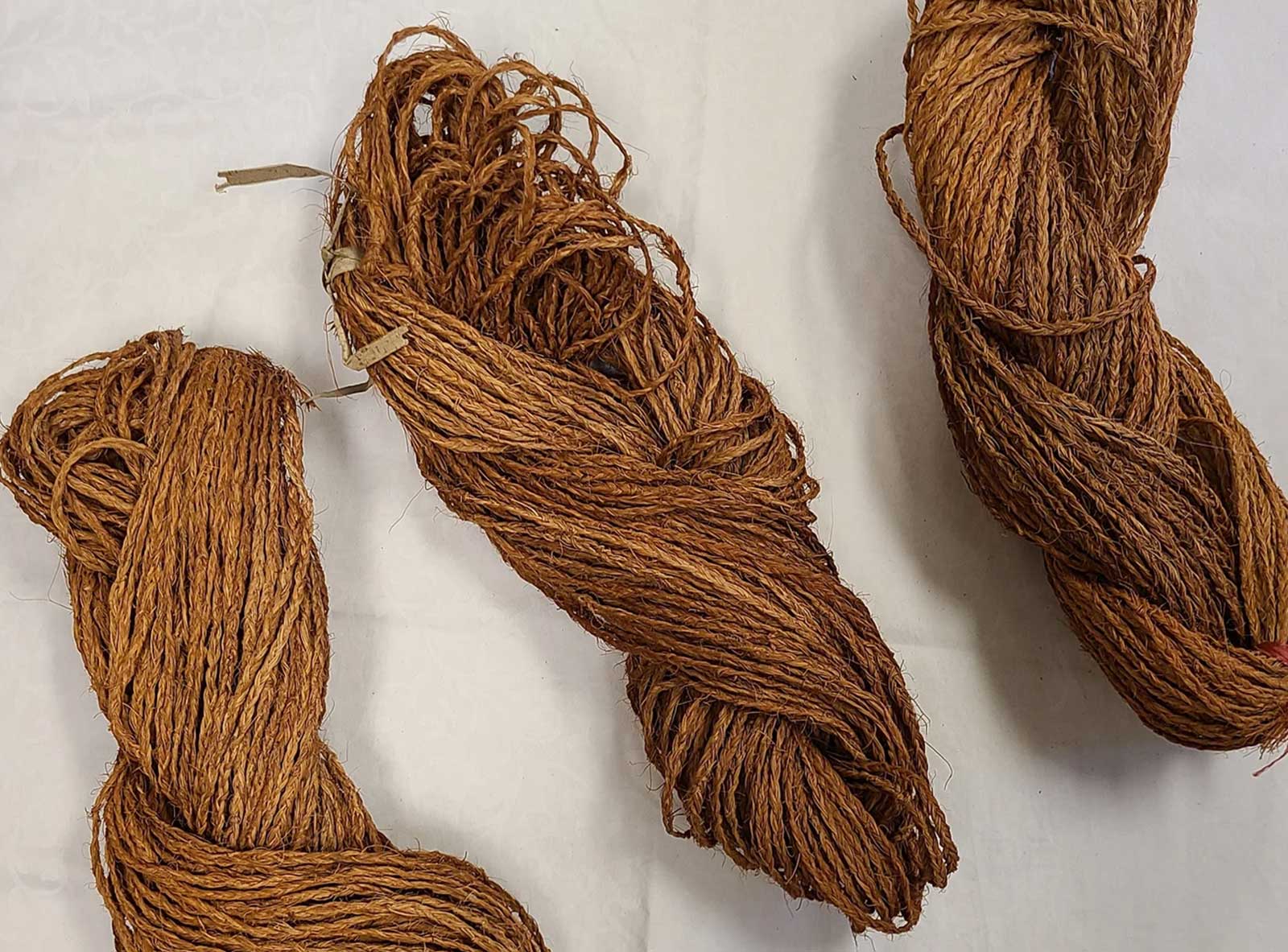
Beyond architecture, magimagi played a vital role in daily and ceremonial life. It was used in canoe building, fishing equipment, tools, weapons, and ritual objects. The strength of the cord symbolised unity and cooperation, as structures could only stand when each strand worked together — a reflection of village life itself.
Traditionally, magimagi weaving was carried out by men, often in communal settings where skills were taught through observation and practice rather than written instruction. Each completed cord represented not just labour, but collective knowledge and cultural continuity.
Today, magimagi remains a powerful visual and cultural symbol in Fiji. It is still used in traditional buildings, cultural displays, and village settings, serving as a reminder of how Fijians once built complex, durable structures using only natural materials and inherited wisdom. Seeing magimagi up close offers visitors a deeper understanding of ancient Fijian engineering — where sustainability, function, and cultural meaning were inseparable.
From a Tour Guide's Perspective
By: Joe Dalituicama
During village tours, guides often point out magimagi lashings on buildings, furniture, and displays to show that these techniques are still respected and remembered. Even when modern materials are used, magimagi remains a symbol of authenticity — a visual reminder of Fiji’s engineering skill and cultural values.
So when you browse through a handicraft centre or visit a village, look closely. That cord you see holding a carving or framing an artifact is more than fibre — it’s a story of how Fiji was built, strand by strand.