
Respect Leads the Way
In Fiji, every village beats to a rhythm guided by tradition—at the heart of it is the chiefly system.
Each community is led by a turaga ni koro (village headman), a respected figure who helps maintain order, settle disputes, and preserve the customs passed down through generations. Above him sits the village chief, a role steeped in ancestral lineage and cultural authority. These are not elected positions—they are inherited with deep responsibility, tied to the land and its people through sacred trust.
When visitors arrive, they’re not simply stepping into a location—they’re entering a space governed by generations of tradition. To cross into a Fijian village is to step into a system where every role, every voice, and every action holds meaning.
Becoming Part of the Circle
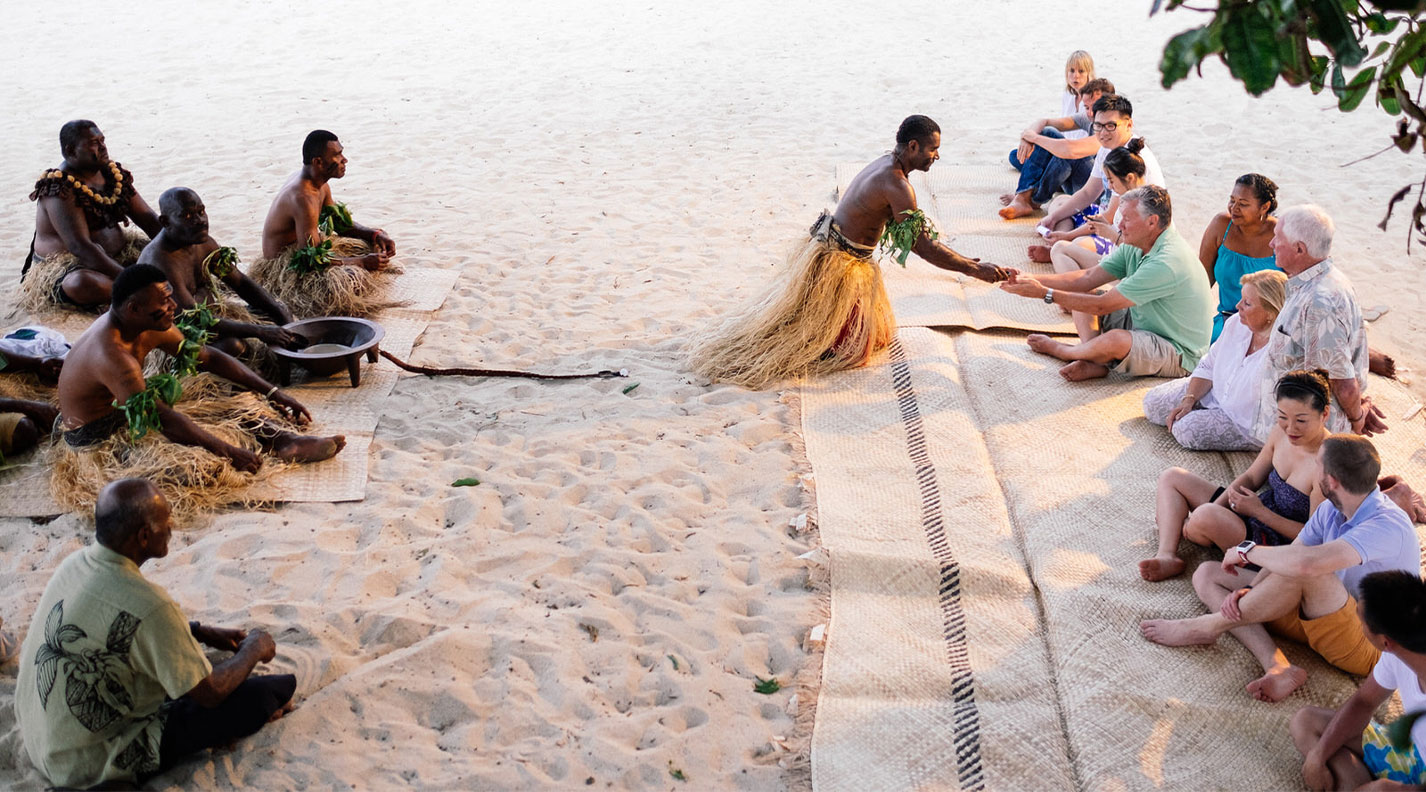
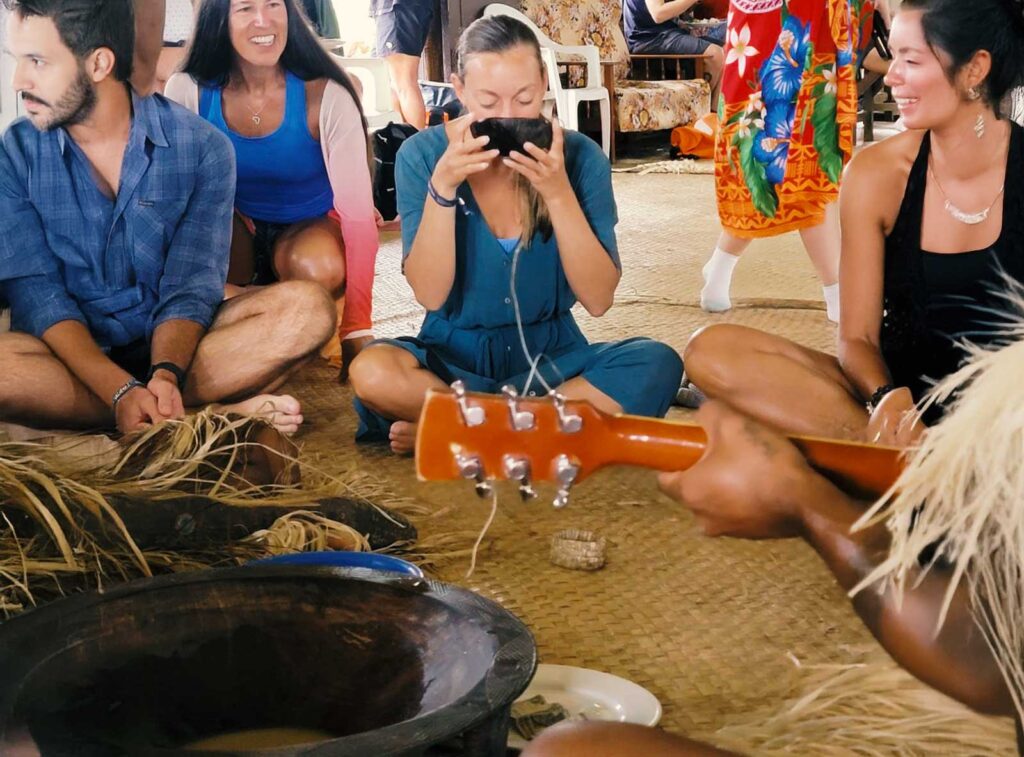
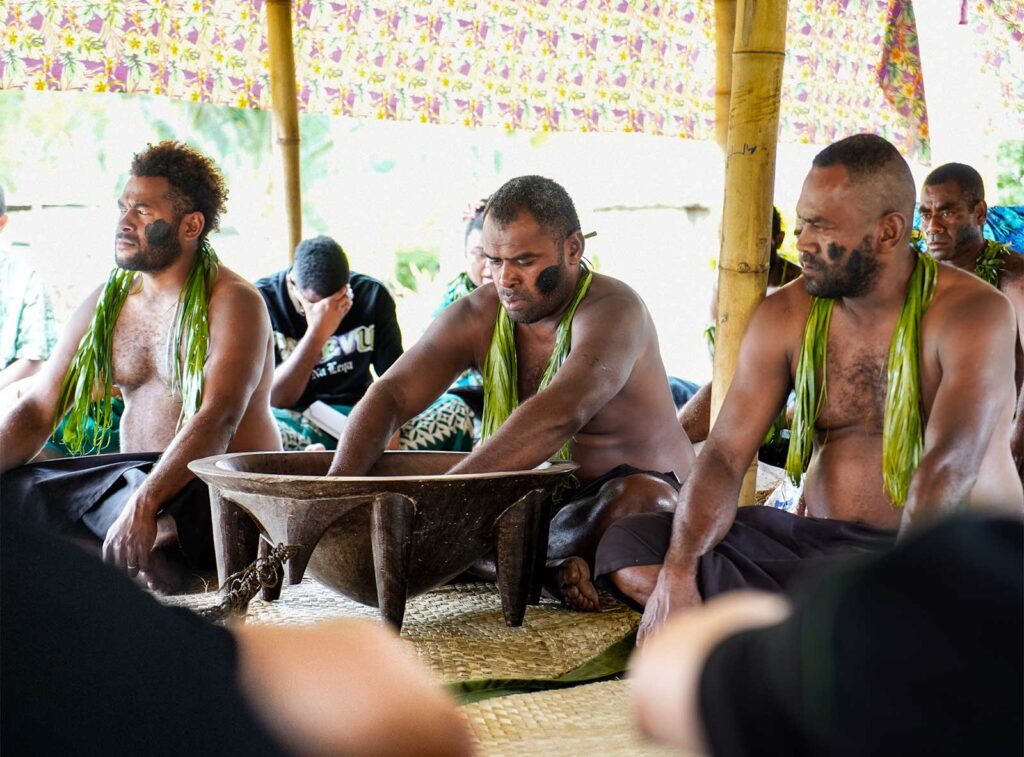
Before any tour begins, guests are welcomed with a sevusevu—a ceremonial presentation of yaqona (kava) to the chief or turaga ni koro. It is the most important gesture of respect, symbolising peace, humility, and a willingness to enter the village in good spirit.
Often, as part of the ceremony, one guest is chosen to act as the "chief" for the visiting group.
With a ceremonial cup of kava, claps of respect, and a few traditional words exchanged, they are welcomed into the fold—not just as a tourist, but as an honorary chief.
This isn’t just performance—it’s a living practice that mirrors the real dynamics of how respect flows through our villages. You sit where a chief would sit. You're greeted how a chief would be greeted. And you’ll feel, even just for a moment, what it’s like to be part of something greater than yourself.
Leadership Woven into Culture
In Fijian villages, leadership is woven into daily life. From the layout of the bure (huts) to the seating positions during a ceremony, everything is guided by protocol. Even meals and meke performances follow this hierarchy—always with the chief or elder first, and others following in order of rank.
This deep structure of respect teaches not just who leads—but how we live together, honouring each other and the vanua that supports us.
From a Tour Guide's Perspective
By: Joe Dalituicama
When you visit our villages, you’ll see how every gathering begins with honor—how words are spoken with care, and how decisions are made not for the few, but for the many. The chiefly system teaches us that leadership is not about standing above others, but standing for them. It is a bond woven through kinship and tradition, carried through ceremonies, and passed from generation to generation.